Why Graph Reasoning and Logic Matter in Enterprise Systems
Why Graph Reasoning and Logic Matter in Enterprise Systems
Why Graph Reasoning and Logic Matter in Enterprise Systems
- Content
The Graph That Makes Sense of Logistics Chaos
In logistics, a single shipment generates dozens of documents, emails, and identifiers, each telling part of the story. A house bill of lading references a master bill. A container holds multiple shipments. An invoice spans several bookings. Traditional systems treat these as isolated data points, forcing users to mentally reconstruct the relationships every time they need answers.
At Tally, we took a different approach.
Evidence, Not Assumptions
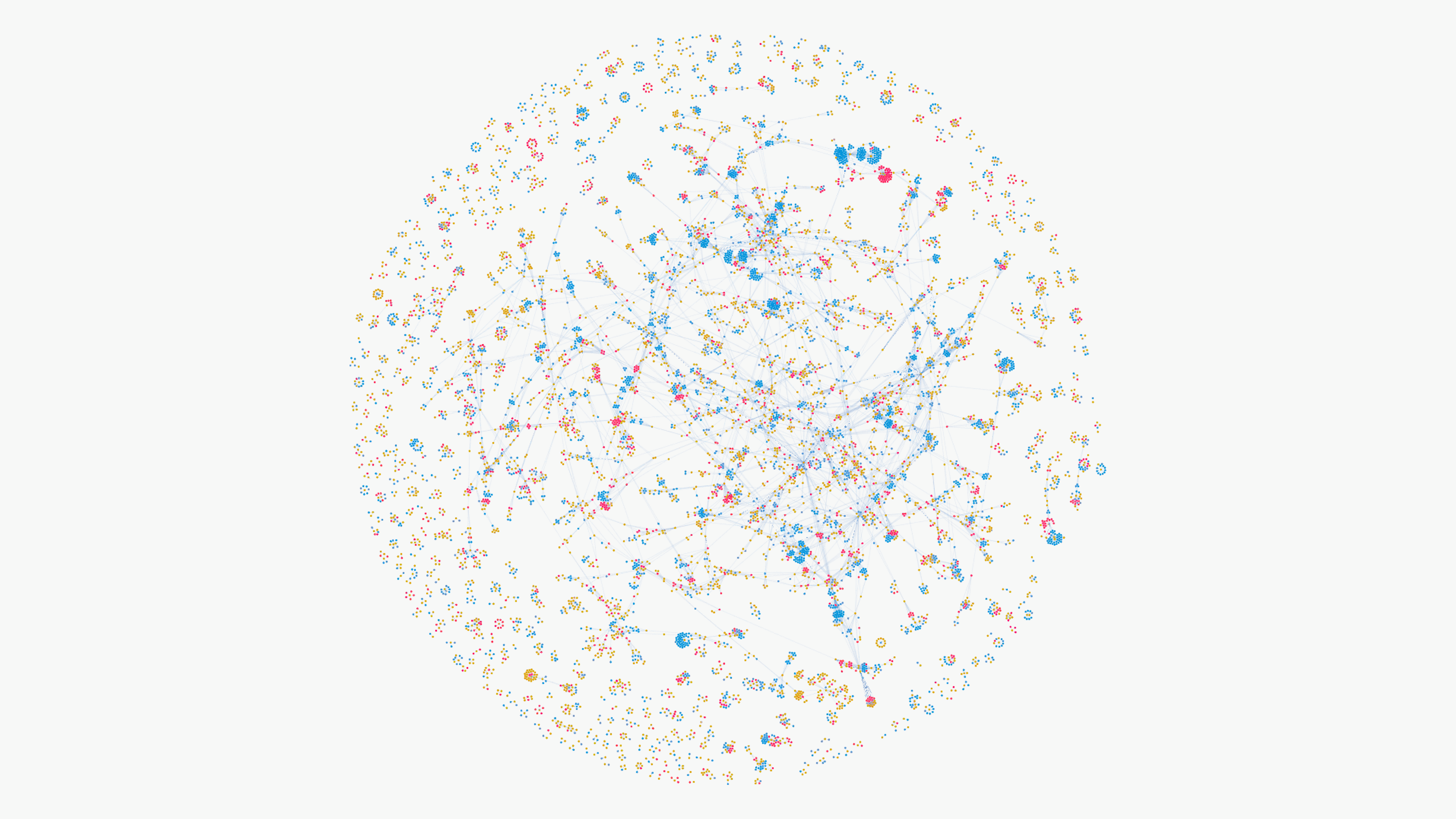
Our platform builds an evidence-weighted graph where every piece of information, messages, attachments, identifiers, documents, becomes a node. More importantly, the relationships between them become edges with confidence scores and traceable evidence.
When an email mentions an HBL alongside a container number, we don't just extract the IDs. We capture the relationship, assess its strength based on context, and preserve the evidence trail. When a PDF lists a master bill with three house bills beneath it, we understand the hierarchy. When a spreadsheet references twelve different shipments, we recognize it's talking about multiple orders, not one.
This graph becomes the context layer that feeds our LLM and RAG infrastructure, enabling AI to reason about the business the way experienced operators do.
Evidence Vs. Decisions
Our core technology separates evidence from operational decisions.
We maintain an append-only ledger of observed facts and relationships. On top of this, we materialize "Order Clusters" (our product's concept of a shipment file), by querying the graph with confidence thresholds. High-confidence connections auto-link. Medium-confidence connections surface as suggestions. The result is a high precision graph where it’s measurable, with coverage that improves over time.
When something needs correction, we don't rewrite history. We update cluster membership while preserving the evidence trail. Every link is explainable: "Connected because HBL 'MAEU123' appears in booking confirmation page 2 and referenced across four subsequent emails."
Built for Complex Billing
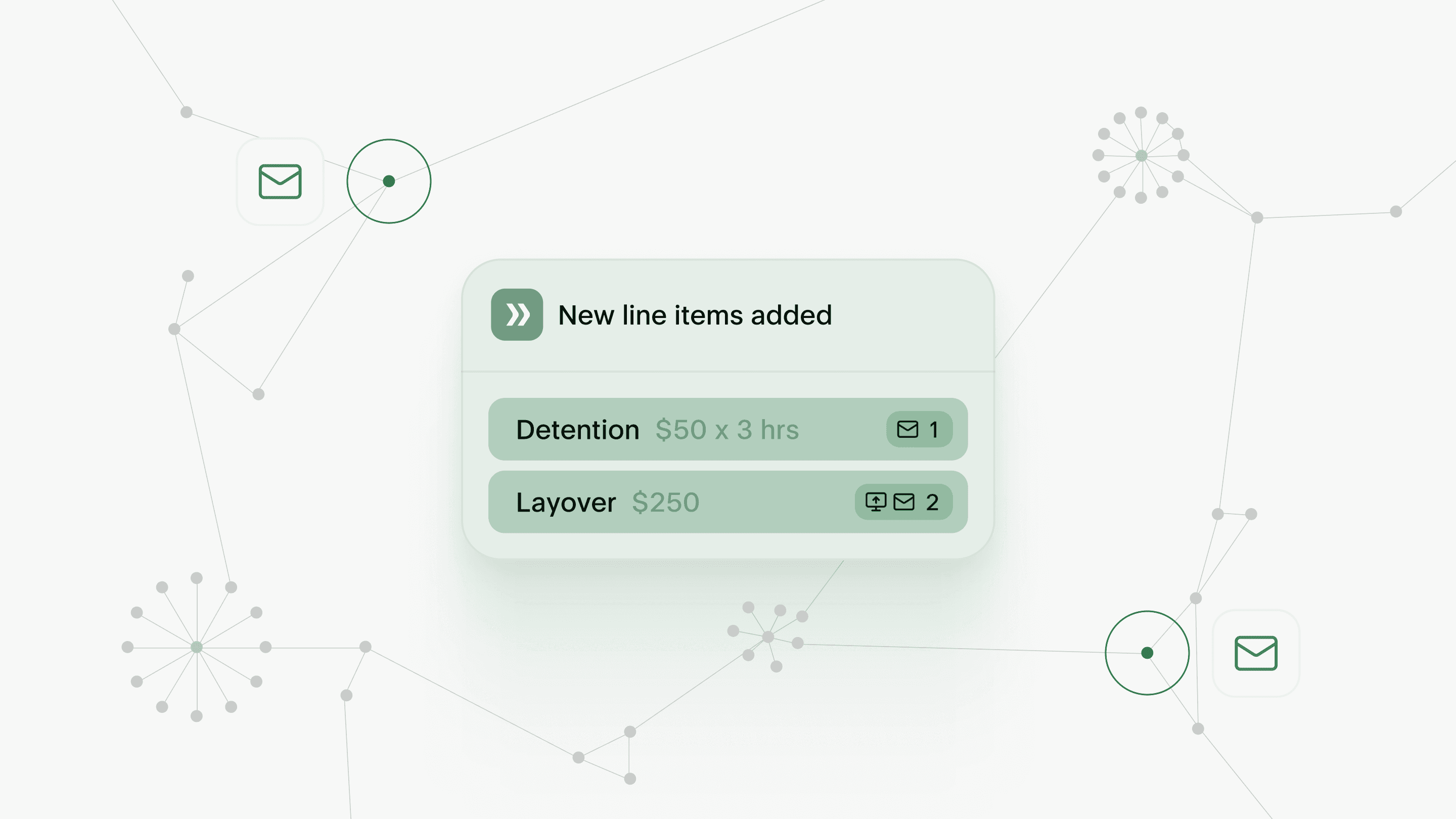
This architecture shines in logistics billing, where understanding relationships is everything. An invoice might reference a booking number that contains three house bills, each with distinct commercial terms. A dispute might hinge on whether two container numbers belonged to the same order or different ones.
Our graph captures these nuances. It understands that identifiers are hierarchical, context-dependent, and ambiguous. It knows when an email is about one shipment versus many. It adapts to how different companies organize their operations; some anchor on Purchase order numbers, others on BOLs, and some on booking references.
The LLMs see the full context, not just keyword matches. RAG retrieval finds the right documents because it understands document relationships, not just semantic similarity.
The Result
Teams spend less time hunting for information and more time making decisions. Billing happens faster because the system knows which documents belong together. Disputes resolve quickly because the evidence trail is always intact.
We turned unstructured communication into a queryable knowledge graph. And we did it in a way that gets smarter with every integration, email, attachment, and correction. We are building a context map that makes logistics operations finally make sense.
For technical readers: Our graph schema includes typed nodes (messages, attachments, identifiers, documents, order clusters) and weighted edges (mentions, extracted-from, contains, invoice-for, related-to) with confidence scoring and evidence pointers. The materialized cluster layer enables dashboard-scale queries without full graph traversal.
The Graph That Makes Sense of Logistics Chaos
In logistics, a single shipment generates dozens of documents, emails, and identifiers, each telling part of the story. A house bill of lading references a master bill. A container holds multiple shipments. An invoice spans several bookings. Traditional systems treat these as isolated data points, forcing users to mentally reconstruct the relationships every time they need answers.
At Tally, we took a different approach.
Evidence, Not Assumptions
Our platform builds an evidence-weighted graph where every piece of information, messages, attachments, identifiers, documents, becomes a node. More importantly, the relationships between them become edges with confidence scores and traceable evidence.
When an email mentions an HBL alongside a container number, we don't just extract the IDs. We capture the relationship, assess its strength based on context, and preserve the evidence trail. When a PDF lists a master bill with three house bills beneath it, we understand the hierarchy. When a spreadsheet references twelve different shipments, we recognize it's talking about multiple orders, not one.
This graph becomes the context layer that feeds our LLM and RAG infrastructure, enabling AI to reason about the business the way experienced operators do.
Evidence Vs. Decisions
Our core technology separates evidence from operational decisions.
We maintain an append-only ledger of observed facts and relationships. On top of this, we materialize "Order Clusters" (our product's concept of a shipment file), by querying the graph with confidence thresholds. High-confidence connections auto-link. Medium-confidence connections surface as suggestions. The result is a high precision graph where it’s measurable, with coverage that improves over time.
When something needs correction, we don't rewrite history. We update cluster membership while preserving the evidence trail. Every link is explainable: "Connected because HBL 'MAEU123' appears in booking confirmation page 2 and referenced across four subsequent emails."
Built for Complex Billing
This architecture shines in logistics billing, where understanding relationships is everything. An invoice might reference a booking number that contains three house bills, each with distinct commercial terms. A dispute might hinge on whether two container numbers belonged to the same order or different ones.
Our graph captures these nuances. It understands that identifiers are hierarchical, context-dependent, and ambiguous. It knows when an email is about one shipment versus many. It adapts to how different companies organize their operations; some anchor on Purchase order numbers, others on BOLs, and some on booking references.
The LLMs see the full context, not just keyword matches. RAG retrieval finds the right documents because it understands document relationships, not just semantic similarity.
The Result
Teams spend less time hunting for information and more time making decisions. Billing happens faster because the system knows which documents belong together. Disputes resolve quickly because the evidence trail is always intact.
We turned unstructured communication into a queryable knowledge graph. And we did it in a way that gets smarter with every integration, email, attachment, and correction. We are building a context map that makes logistics operations finally make sense.
For technical readers: Our graph schema includes typed nodes (messages, attachments, identifiers, documents, order clusters) and weighted edges (mentions, extracted-from, contains, invoice-for, related-to) with confidence scoring and evidence pointers. The materialized cluster layer enables dashboard-scale queries without full graph traversal.
Book a demo
Your team should be making decisions, not drowning in emails and spreadsheets. Tally can coordinate the rest.

2026 © Copyright Tallytech, Inc.
Book a demo
Your team should be making decisions, not drowning in emails and spreadsheets. Tally can coordinate the rest.
2026 © Copyright Tallytech, Inc.
Book a demo
Your team should be making decisions, not drowning in emails and spreadsheets. Tally can coordinate the rest.
2026 © Copyright Tallytech, Inc.